Nutrition Rules to Live By: Lose Weight and Feel Your Best
Nutrition Rules to Live By: Lose Weight and Feel Your Best
Nutrition can feel incredibly complicated these days. Everywhere you look, someone is telling you to eat more protein, cut carbs, avoid seed oils, count calories, fast until noon, or buy the latest miracle supplement. With so many conflicting opinions, it's easy to wonder who you should believe—or if healthy eating is even possible anymore.
The truth is, good nutrition doesn't have to be confusing. You don't need another fad diet or a long list of restrictive rules to be healthy. In fact, the healthiest way to eat is often the simplest. These nutrition principles are practical, sustainable, and rooted in both sound science and biblical stewardship, helping you care for the body God has given you for the long haul.
Nutrition Rules to Live By: Lose Weight and Feel Your Best
In this post, I'm going to break down some simple nutrition rules to live by. But if you'd rather get personalized advice tailored to your unique needs—and have an expert in your corner to answer your questions every step of the way—I'd love to help. As a certified health coach, I can help you define your health goals, build sustainable habits, stay accountable, and care for your body in a way that honors God.
Best Nutrition Rules For a Healthier Life
Forget 90s diet culture rules.
The '90s and early 2000s were full of fad diets and nutrition myths that many of us still believe today. We thought all fat was bad, you should never eat a carb, and sodium was the enemy. Well, I'm here to tell you that this "advice" is just plain bad.
We need healthy fats and complex carbs in our diet—and normal sodium intake doesn't make you gain weight or hurt your health. Nutrition science has evolved a lot since then, but many of us still hold onto these outdated ideas. It's time to leave them behind and embrace a more balanced, sustainable approach to healthy eating.
Eat real, whole foods most of the time.
Though a lot of our cravings are for sweet treats and packaged snacks, try as often as possible to fuel your body with real food. By "real" food, I mean food that's as close to its original form as possible. Think an apple instead of an apple turnover, or a baked potato instead of potato chips.
Whole foods are naturally rich in vitamins, minerals, fiber, healthy fats, and other nutrients your body needs to function at its best. They're also usually more filling and keep you satisfied longer. Even if they contain some natural sugar or carbs, they're much better at helping you reach your health goals than highly processed foods.
Build your plate around balance.
Your meals should be focused on balancing protein, healthy fats, fiber, and complex carbs. Each one works together to keep you full, maintain your energy levels, stabilize blood sugar, and give your body the nutrients it needs to thrive. Here’s a breakdown of what your plate should look like during each meal:
Protein:
Aim for about one-quarter of your plate, or about 20–30 grams per meal. Protein helps build and repair muscle, supports your metabolism, keeps you feeling full longer, and helps stabilize blood sugar. Good sources include chicken, turkey, fish, eggs, Greek yogurt, cottage cheese, lean beef, tofu, tempeh, and beans.
Fiber:
Fill about half your plate with fiber-rich foods, including vegetables, fruits, whole grains, beans, and seeds. Fiber supports healthy digestion, feeds your gut microbiome, helps control blood sugar, lowers cholesterol, and keeps you satisfied. Great choices include broccoli, leafy greens, Brussels sprouts, carrots, berries, apples, oats, quinoa, beans, lentils, and chia seeds.
Healthy Fats:
Try to include a serving at each meal, such as ¼ to ½ avocado, 1–2 tablespoons of nuts or seeds, 1 tablespoon of olive oil, or a serving of fatty fish. Healthy fats help your body absorb vitamins A, D, E, and K, support hormone production, promote brain health, and help meals keep you feeling satisfied and nourished. Good sources include avocados, olive oil, nuts, seeds, olives, salmon, sardines, and natural nut butters.
Complex Carbs:
Fill about one-quarter of your plate with complex carbohydrates, adjusting the amount based on your activity level and health goals. Complex carbs provide your body's preferred source of energy while delivering fiber, vitamins, and minerals that refined carbohydrates lack. Choose foods like sweet potatoes, oats, quinoa, brown rice, beans, lentils, fruit, and whole-grain bread or pasta.
Prioritize protein at every meal and snack.
I already talked about how important protein is during your meals. You should build your whole plate around lean protein. However, you may not realize the same is true for snacks! Think about it. We usually eat a snack to satisfy cravings...but what ends up happening? We grab the chips or Oreos and eat and eat and eat. It's so hard to feel full!
I recommend you go ahead and have yourself a little treat—but pair it with protein. When you do this, it's much easier to feel satisfied, balance your blood sugar, and stay full without emptying an entire box or bag of snacks. So, think a few cookies with Greek yogurt, cottage cheese with crackers, or turkey deli slices with chips.
Stay hydrated throughout the day.
You already know you shouldn't drink sugary beverages all day or rely on coffee to stay hydrated. However, you may not realize just how important water actually is. It doesn't just quench your thirst—it helps transport nutrients to your cells, supports digestion, maintains your energy levels, helps control your appetite, and keeps your metabolism running efficiently. And that's just the beginning! The bottom line is that drinking enough water is one of the simplest and most important things you can do for your health.
Pro Tip: If you're not someone who carries a giant water bottle everywhere or remembers to sip throughout the day, make hydration part of your routine instead. Sit down with a 16–20 ounce glass of water and a straw first thing in the morning, before lunch, and again in the afternoon or early evening. Don't chug it, but don't get up until you've finished it. Building hydration into your daily routine is easier for some than remembering to drink water all day!
Don't skip meals to "make up" for overeating.
If you skip a meal because you forgot to eat, you're trying to lose weight, or you're making up for overeating earlier in the day—don't! In theory, it sounds like a smart strategy. In reality, those long gaps between meals can cause significant swings in your blood sugar, making it even harder to reach your health goals.
These blood sugar fluctuations put your body under stress, which can make it less efficient at using food for energy and may even contribute to hormone imbalances over time. They can also trigger intense cravings, mood swings, low energy, brain fog, and overeating later in the day. Rather than trying to "undo" one indulgent meal, simply get back to your normal eating routine at your next meal. One meal won't make or break your health, but consistency over time will.
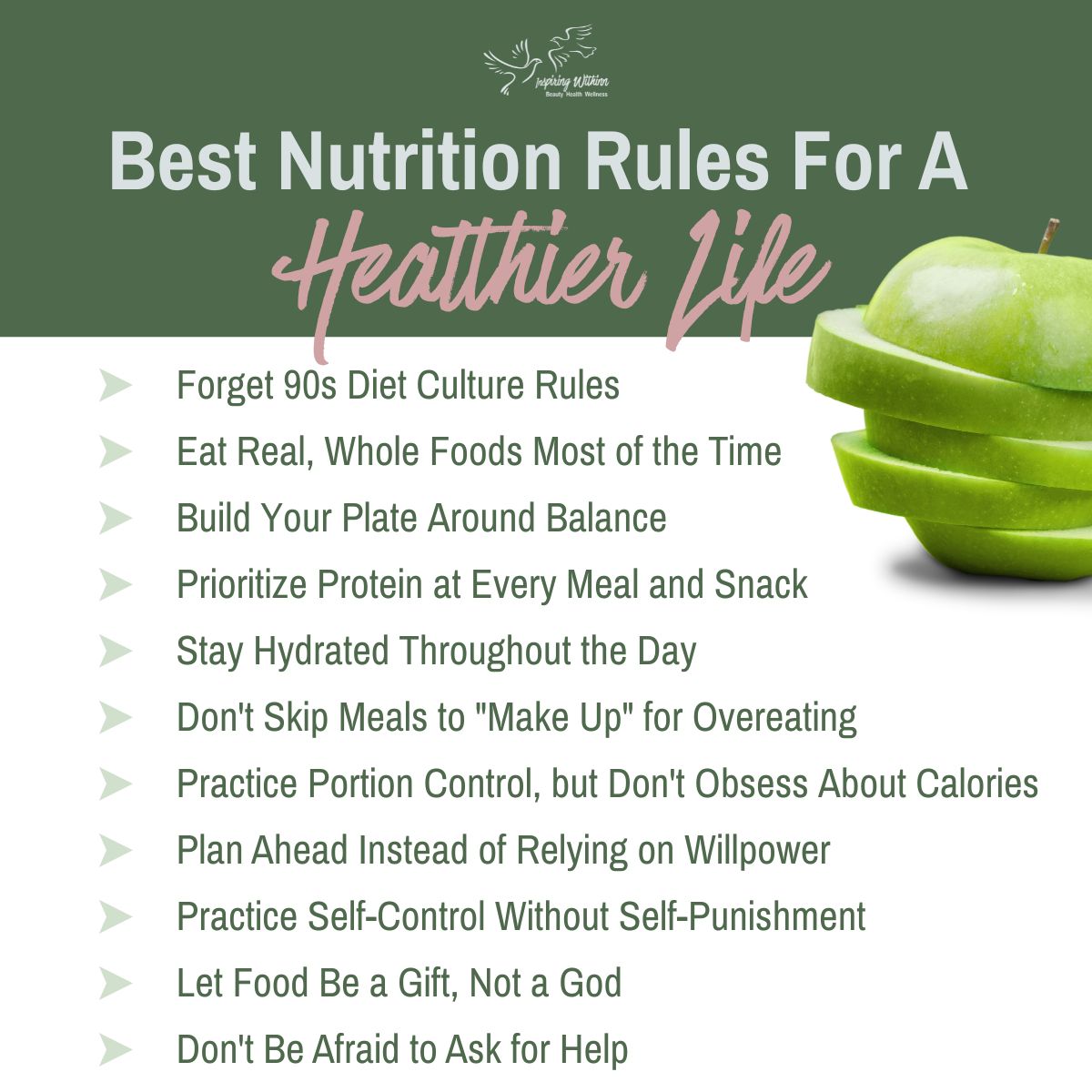
Practice portion control, but don't obsess about calories.
Your body needs calories to survive, so the goal isn't to eat as few as possible. Instead, learn what reasonable portions look like and pay attention to your body's hunger and fullness cues. Eating until you're comfortably satisfied—not stuffed or still starving—will serve you much better than obsessively tracking every bite.
That doesn't mean calories don't matter. If your goal is to lose weight, creating a small calorie deficit is important. But focusing solely on calories often leads people to choose highly processed "low-calorie" foods over nourishing ones that actually keep them full. Rather than asking, "How can I eat less?" try asking, "How can I make this meal more satisfying and nutritious?" Most of the time, prioritizing whole foods, protein, and fiber naturally makes portion control much easier.
Plan ahead instead of relying on willpower.
When you first start building healthier nutrition habits, you may feel super motivated. Healthy eating may even come easy in the beginning! That said, don't expect that motivation to last forever. It'll fade—and probably faster than you think. Instead of relying on willpower to get you through when things get tough, plan ahead to make things easier for your future self.
Meal plan at the beginning of each week and even prep some of the ingredients. That way, when you feel tempted to pop a frozen pizza in the oven or order takeout, it's much easier to talk yourself out of it. Also, keep healthy, convenient snacks on hand and easy to grab, like Greek yogurt, cheese sticks, hard-boiled eggs, fresh fruit, nuts, or beef jerky. Of course, packing your lunch for work instead of eating out can also make a huge difference. And if you know you're going to a restaurant, look at the menu beforehand and choose something that fits your goals.
To make things easy, I’ve created an anti-inflammatory meal plan that can help you realign your health nutritionally and spiritually. Download my faith and food guide HERE!
Practice self-control without self-punishment.
Our instinct when we get off track with our diet is to punish ourselves. We force ourselves to skip the next meal, restrict calories even more, do extra cardio, or speak negatively about ourselves. Then we carry around guilt and shame—but that's not what God wants for us. Self-control is a fruit of the Spirit, not self-punishment.
Instead, practice self-control by making your next choice a healthy one. If you overindulged at lunch, just eat a balanced dinner. If you missed your workout yesterday, go for a walk today. Don't let one poor decision turn into a week of unhealthy habits because you believe you've already failed. God calls us to pursue wisdom and discipline with grace, not condemnation. Healthy living isn't about earning God's approval or punishing yourself for falling short—it's about faithfully caring for the body He's given you, one choice at a time.
Let food be a gift, not a god.
God created food to nourish us, bring us joy, and even bring people together. Throughout Scripture, meals are often a place of fellowship, celebration, and gratitude. The problem isn't food itself—it's when food begins to occupy a place in our hearts that belongs to God alone.
If you find yourself constantly thinking about your next meal or turning to food for comfort, it may be time to examine your heart. Ask yourself, Am I looking to food to give me something only God can provide? Whether it's comfort, peace, security, or happiness, those needs are ultimately meant to be met in Him.
The apostle Paul reminds us, "So whether you eat or drink, or whatever you do, do it all for the glory of God" (1 Corinthians 10:31). He also warns us, "Little children, keep yourselves from idols" (1 John 5:21). Food was never meant to rule your life. Receive it with gratitude, enjoy it in moderation, and let it point you back to the goodness of the God who provides it—not replace Him.
Don't be afraid to ask for help.
You don't have to figure all of this out on your own. Healthy eating isn't just about knowing what to do—it's about learning how to make those habits fit your life. That's where having a coach can make all the difference.
As a health coach, I help women cut through the confusion and create a realistic, sustainable plan they can actually stick to. Together, we'll build healthy habits that honor God, support your goals, and fit your unique lifestyle. If you're tired of starting over every Monday and you're ready for lasting change, I would be blessed to walk alongside you.
If you’re not sure if you need help, check out my post on knowing the right time to get a coach.
What Is the Difference Between Nutrition and Dieting?
Diets are usually something you do for a short period of time to reach a specific goal. Once you reach that goal, you stop participating in all the diet "rules." Nutrition, on the other hand, is a lifelong commitment. It's an intentional way of eating that supports not only your short-term objectives but also your long-term health and well-being.
As Christians, nutrition is also about way more than what the scale says. It's one way we can faithfully steward the bodies God has entrusted to us. Rather than chasing the next fad diet or vain appearance goals, we can choose eating habits that honor God, fuel our bodies well, and equip us to serve Him with strength and energy for years to come.
For more on nourishing your body instead of following another diet, download my faith-rooted grocery and meal prep guide. You'll learn how to stock your kitchen, prepare balanced meals, and create healthy habits that last.
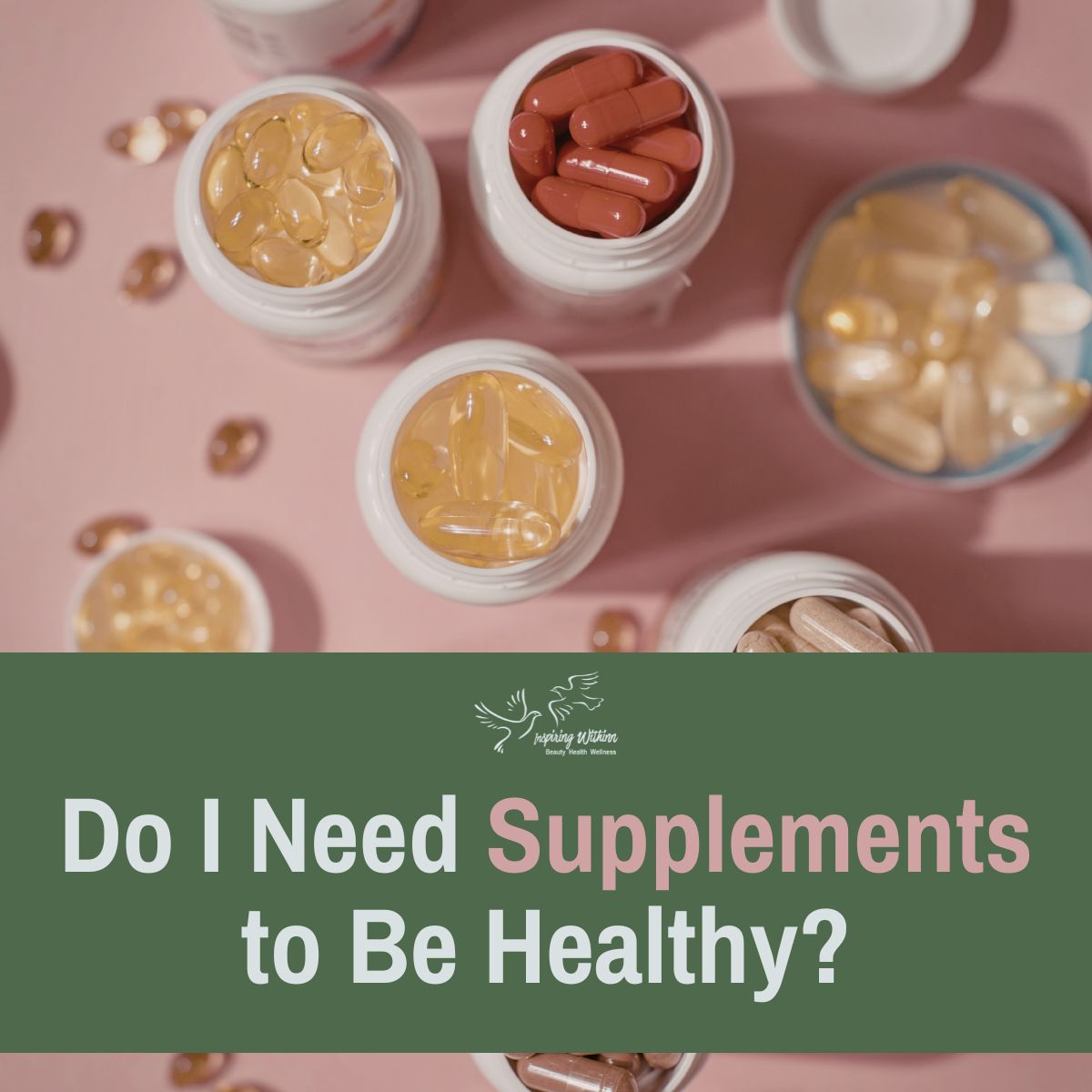
Do I Need Supplements to Be Healthy?
No! You don’t need supplements to be healthy. And on that same note, a cabinet full of supplements can’t replace good eating habits. That said, supplements can be a really good tool to help fill nutritional gaps and optimize your nutrition. Always discuss your supplement choices with your certified health coach or primary care doctor!
Nutrition Myths to Stop Believing
Myth 1: Carbs are the enemy.
Carbohydrates aren't inherently unhealthy. Our brains basically run on sugar! Just be mindful of where you’re getting your carbs. Whole-food sources like fruit, vegetables, beans, and whole grains provide your body with fiber, vitamins, minerals, and energy in addition to the carbs.
Myth 2: Healthy eating has to be expensive.
It’s no secret that specialty health foods can be pricey, but that doesn’t mean you can’t eat well on a budget. Nutritious staples like eggs, oats, frozen vegetables, beans, potatoes, and seasonal produce are often very affordable! (And, no, everything doesn’t need to be organic.)
Myth 3: You have to cut out all sugar.
You don't have to swear off dessert forever to be healthy. The goal is to limit added sugars while leaving room to enjoy treats in moderation.
Myth 4: Detoxes and cleanses reset your body.
Your liver, kidneys, lungs, and digestive system already work together to remove waste. Rather than relying on trendy cleanses, support these organs by eating a balanced diet and staying hydrated.
Myth 5: Eating healthy means giving up your favorite foods.
Healthy eating isn't about deprivation. It's about finding a sustainable balance that leaves room for both nourishing meals and the foods you love.
Myth 6: Diet soda is worse for you than regular soda.
This simply isn't true. Since diet soda has little to no sugar, it won't spike your blood sugar or contribute to weight gain the way regular soda can. If you're trying to cut back on sugar, but struggling to kick the habit, diet or “zero sugar” options are a much better choice. Just remember that it shouldn't replace water, which your body still needs to stay hydrated and function at its best.
Myth 7: If you "mess up," you should start over on Monday.
One indulgent meal doesn't erase your progress. Instead of waiting for a fresh start, simply make your next meal a healthy one and keep moving forward.
Eat well. Feel good. Honor God.
Healthy eating doesn't have to be complicated, restrictive, or all-consuming. Focus on making one small, healthy choice at a time, and trust that those choices will add up over time. Remember, nutrition isn't about perfection—it's about faithfully caring for the body God has given you so you can live, love, and serve Him well. And if you'd like someone to walk alongside you on that journey, I'd be honored to help.
